
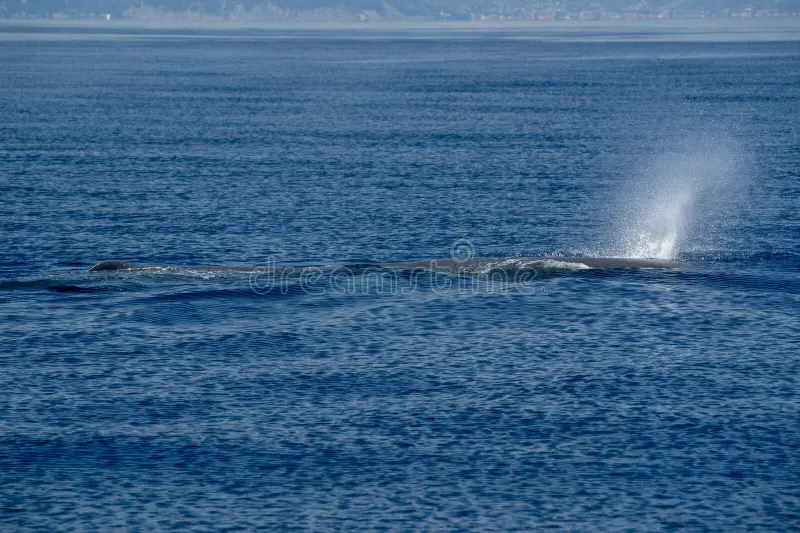
Quick answer
Whale watching trips depart from Ponte Spinola in Genoa's Porto Antico, running as roughly 4.5-hour sailings into the Pelagos Sanctuary. The ticket office operates daily from 08:30, and morning departures are the reliable option. Sightings peak in summer, when fin whales and striped dolphins feed in the Ligurian Sea. Booking ahead is wise.
The stretch of sea between Genoa, Corsica and southern France holds a protected marine reserve larger than many European countries — the Pelagos Sanctuary, some 87,500 square kilometres of open water where eight cetacean species gather to feed. That reserve is the reason whale spotting genoa draws naturalists from across the continent: boats leave the city's old port and, within a couple of hours, reach the deep offshore trench where fin whales, the second-largest animal on Earth, rise to breathe. The science behind the sightings is straightforward. A cold, nutrient-rich upwelling along the Ligurian-Provençal basin feeds vast swarms of krill, and the krill draw the giants. Fin whales are the headline, but sperm whales, Cuvier's beaked whales, striped dolphins and pilot whales all move through these waters. Many operators carry a marine biologist aboard and lower a hydrophone to listen for sperm-whale clicks, which turns a sailing into a working survey rather than a simple boat ride. Understanding this geography explains the shape of a trip. Vessels depart from Ponte Spinola inside Porto Antico, the redeveloped waterfront beside the Aquarium, and head for open sea. Because the feeding grounds sit well offshore, a sailing runs several hours rather than a quick harbour loop, and crews time departures for calmer morning water when the swell is lower and animals are easier to read at the surface. None of this guarantees an encounter. These are wild animals in open ocean, and a genoa whale watching tour is an act of patience as much as logistics. Naturalists frame the odds honestly: summer months bring the highest hit rate, calm seas improve visibility, and a knowledgeable crew reading currents and seabird activity does more for success than luck. Anyone planning Ligurian Sea whale watching should treat the trip as a half-day commitment and dress for wind even in August. For a traveller weighing whether whale spotting genoa belongs on the itinerary, the answer usually comes down to timing and expectations. The reserve is real, the wildlife is genuinely resident, and the departure point sits within walking distance of the historic centre. Set the alarm early, choose a settled-weather morning, and treat the open water as the attraction rather than a checklist item to tick and leave.
“A genoa whale watching trip is an act of patience as much as logistics.”
Best Season and Timing for Whale Spotting Genoa
The optimal window for whale spotting in Genoa runs from May to October, aligning with the seasonal migration of cetaceans through the Pelagos Sanctuary. Late spring and early summer offer calm seas and high visibility, which are critical for spotting fin whales and dolphins.
Late Spring (May to June)
Moderate, lower shipping trafficMild, average 18°C to 24°C
This period offers excellent opportunities to witness migrating fin whales as they return to the Pelagos Sanctuary. With fewer commercial ships on the water, the cetaceans are less disturbed.
Summer Peak (July to August)
High, busy tourist seasonWarm and clear, 21°C to 28°C
Warm temperatures and exceptionally calm seas make this the most popular time for family excursions. Biologists report a high variety of active species during these months.
Early Autumn (September to October)
Low crowds, quiet portsCooler breeze, 15°C to 24°C
Sightings remain frequent while boat traffic and general tourist crowds drop significantly. Cooler autumn breezes may bring slightly choppier waters near the end of the season.
Weekday Mornings
Low, mostly regional visitors—
Morning departures offer cooler ambient temperatures and typically calmer sea states. Arrive between 08:30 and 10:00 to complete boarding before the vessel departs.
Verdict: Choose a weekday morning between June and September, arriving between 08:30 and 10:00 for the best balance of calm sea conditions and lower tourist crowds.
Tickets and Pricing for Whale Spotting Genoa Cruises
Ticket prices for the official whale watching cruise in Genoa depend entirely on the age group of the passengers. The rates cover the complete 4.5-hour marine biology guided tour departing from Ponte Spinola in Porto Antico.
A typical adult pays 45 EUR for the standard excursion, and the only factor that alters this pricing is whether you qualify for a reduced youth or infant ticket.
Operating Hours for Whale Spotting Genoa Booking Offices
The booking office for Genoa whale spotting tours operates daily throughout the week, offering consistent morning and afternoon assistance.
| Monday | 08:30–18:00 | Standard daily hours |
|---|---|---|
| Tuesday | 08:30–18:00 | Standard daily hours |
| Wednesday | 08:30–18:00 | Standard daily hours |
| Thursday | 08:30–18:00 | Standard daily hours |
| Friday | 08:30–18:00 | Standard daily hours |
| Saturday | 08:30–18:00 | Standard daily hours |
| Sunday | 08:30–18:00 | Standard daily hours |
Tour departures vary by season and weather conditions, though the physical ticket office maintains these standard daily operations.
How to Get to the Departure Point at Porto Antico
Whale watching excursions depart from the pier at Ponte Spinola, situated in the historic Porto Antico harbor area of Genoa, directly adjacent to the Genoa Aquarium. This bustling maritime zone is well-connected to the rest of the city, making it straightforward to reach via Genoa's metro network, regional buses, or a scenic walk from the central railway stations.
Metro line towards Brignole to San Giorgio station, then walk to Ponte Spinola
Line 1 from Piazza Principe or Line 13 from Brignole to Piazza Caricamento
Regional train to Genova Piazza Principe station, followed by a walk to the harbor
Genova Ovest exit, via Milano and Via Gramsci to Porto Antico parking lots
Expert Tips for Your Whale Spotting Genoa Excursion
Make the experience smoother with these practical packing and policy tips for the open water.
Bring a Windbreaker
Even on warm summer days, open-sea winds and the boat's speed create a significant wind chill. Keep a lightweight windproof jacket in your bag to stay comfortable during the four-and-a-half-hour trip.
Pack Polarized Sunglasses
Polarized lenses reduce the glare off the water surface, helping you spot the shapes of dolphins and whales before they breach.
Claim Your Sighting Guarantee
If the crew records zero cetacean sightings during your cruise, you can request a free return voucher. This voucher remains valid for one year from the original departure date.
Bring Binoculars
While the ship gets as close as regulations allow, whales often surface at a distance. Having your own binoculars ensures you can clearly see the blowholes and dorsal fins.
Prepare for Sea Motion
The Ligurian Sea can be choppy far from the coastline where cetaceans feed. Take motion sickness prevention measures before boarding the vessel.
Watch for the Biologists' Cues
Marine biologists onboard track the animals and announce coordinates. Watch their hand gestures and listen to the speakers to know which side of the boat to look.
Common Mistakes to Avoid When Booking a Genoa Cetacean Tour
A few avoidable errors separate a smooth boarding from a missed departure. Most come down to timing and expectations about wild animals.
Arriving right at departure time
Reach Ponte Spinola during the 08:30–10:00 window, 30 to 40 minutes before morning departures, so ticketing and boarding are settled before the boat leaves.
Treating the tour as a walk-up
Confirm your place ahead through the site's booking pages rather than assuming space is open on the day.
Expecting guaranteed whale sightings
These are wild waters; naturalists follow known feeding zones, but no operator can promise cetaceans on any single 4.5-hour trip.
Underestimating time on the water
Plan for a full 4.5-hour tour and clear your schedule accordingly, since the boat does not return early on request.
Heading to the wrong meeting point
Departures leave from Ponte Spinola in the Porto Antico; verify the exact pontoon before travelling.
Assuming a missed boat can be rebooked instantly
If you arrive late and boarding has closed, contact the operator at +39010265712 to discuss options rather than waiting at the dock.
What to Visit Near the Departure Point at Porto Antico
The historic harbor of Porto Antico hosts several maritime sights that pair naturally with a whale watching cruise. Visiting these nearby spots allows you to combine your open-sea wildlife observation with local historical context and panoramic views of the Gulf of Genoa.
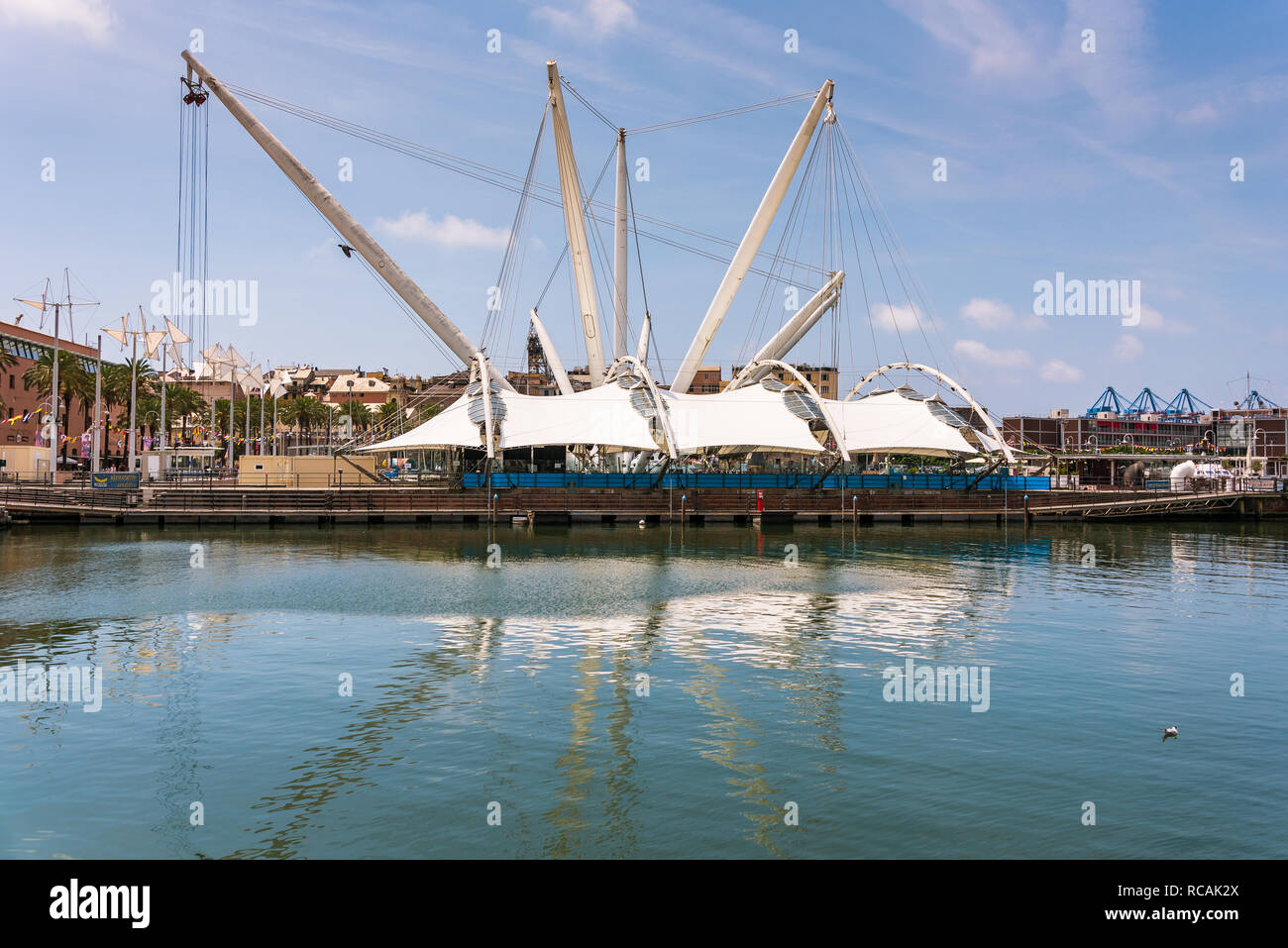
Genoa Aquarium
Situated directly on Ponte Spinola beside the tour departure pier, this facility lets you examine diverse marine species up close. The exhibits display sharks, seals, and dolphins, providing a structured comparison to the wild cetaceans you look for at sea.
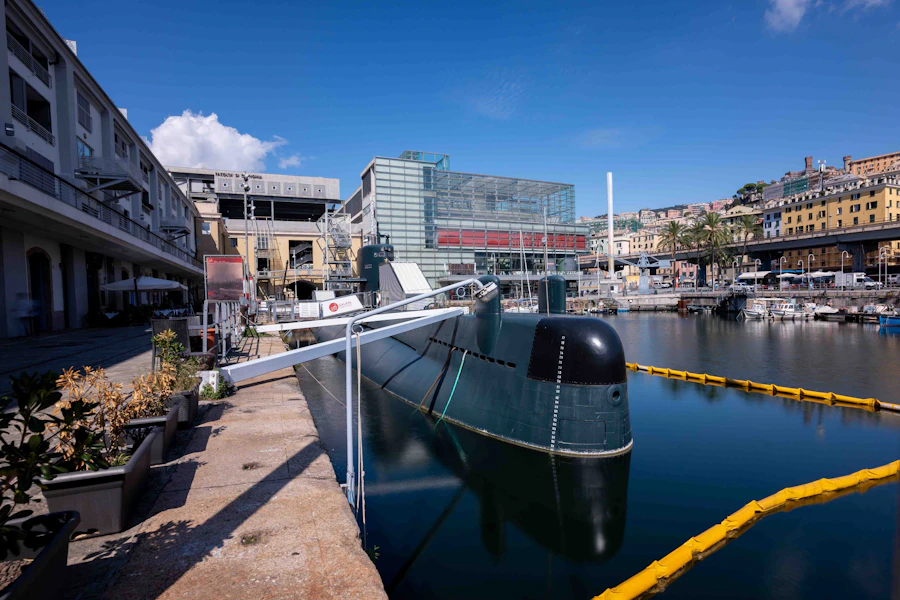
Galata Museo del Mare
This expansive maritime museum chronicles regional seafaring history, complete with a reconstructed 17th-century galley and an authentic submarine. Touring the galleries adds deep historical depth to the sailing routes you travel during your boat cruise.
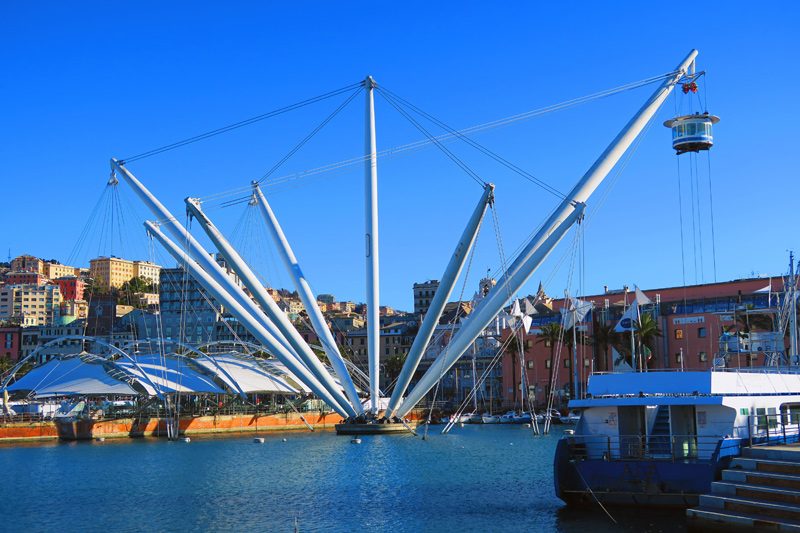
Bigo Panoramic Lift
This distinctive elevator lifts visitors 40 meters above the harbor in a rotating circular cabin. The ascent offers a 360-degree aerial view of the Genoa coastline and the exact shipping lanes navigated by the whale watching vessel.
Pre-Departure Checklist for Whale Spotting Genoa
Work through these steps in order, from the weeks before your trip down to the morning you sail from Ponte Spinola.
-
Reserve your tour slot online — Weeks ahead, secure a place through the site's booking pages so the 4.5-hour departure isn't full.
-
Confirm your booking status — Recheck the confirmation email or booking widget a day before to verify date and departure time.
-
Carry photo ID and confirmation — Bring a matching ID and your reference for ticketing and boarding checks.
-
Pack layers and a windproof jacket — Open water off Genoa runs cooler and windier than the harbour, even in summer.
-
Bring sun protection and water — Sunhat, sunscreen, and a filled bottle cover the full 4.5 hours at sea.
-
Add motion-sickness tablets — Take them before boarding if you're prone to seasickness on longer crossings.
-
Charge phone or camera — A full battery lets you record sightings across the trip without hunting for power.
Check availability
Frequently asked questions about whale spotting genoa
Everything you need to know about whale spotting genoa