
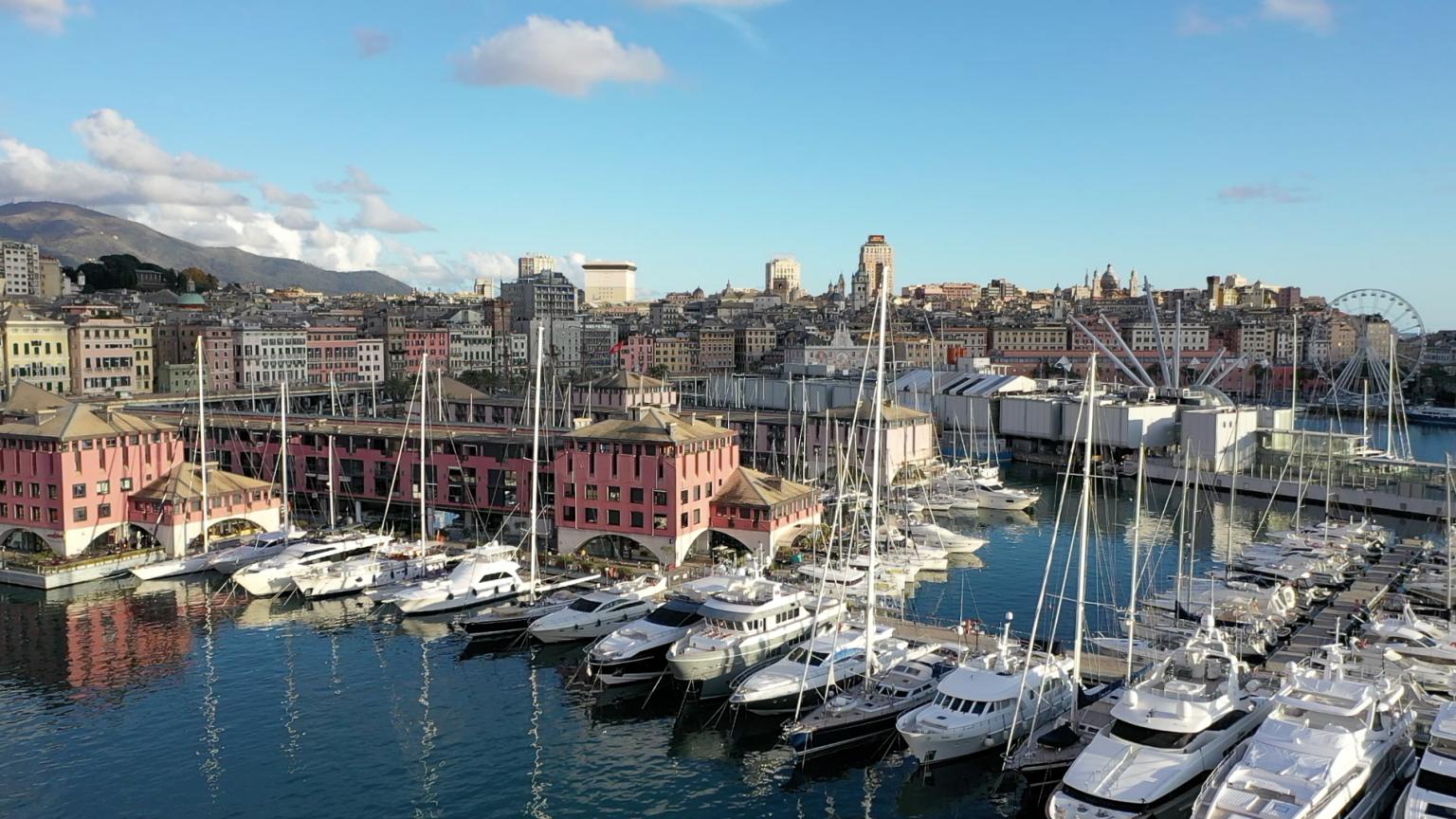
Quick answer
The best period for whale watching from Genoa runs from late spring to early autumn, with the calmest seas and most frequent sightings between June and September. Excursions depart at 14:00 from Ponte Spinola in Porto Antico, and the adult excursion ticket costs 45 EUR. Arrive between 13:00 and 13:20 to pay at the pier before boarding.
Few visitors realise that the sea just beyond Genoa's harbour belongs to the Pelagos Sanctuary, a protected stretch of the Ligurian Sea shared by Italy, France and Monaco. This marine context sits behind every question about whale watching genova periodo migliore: the animals keep no timetable, they follow food. When the summer sun warms the surface, plankton blooms, krill rises, and fin whales and striped dolphins move into the Corsican-Ligurian basin to feed. The practical takeaway is straightforward. Warm, settled months bring flatter water and longer daylight, so the window from late spring to early autumn carries the steadiest odds of an encounter. Excursions leave Ponte Spinola at 14:00, and the open sea beyond the breakwater tends to be calmest across this part of the year. A morning of strong wind can still cancel a sailing, which is why experienced crews read the forecast rather than trusting the calendar alone. Choosing a genova whale watching tour therefore means weighing two things at once: the season and the single day. The season sets the baseline, while the daily sea state decides whether the boat clears the harbour in comfort. Anyone planning a Ligurian Sea excursion is usually better served by a summer weekday, when the swell is lower, the crowds thinner, and the crossing toward the wider Cetacean Sanctuary noticeably smoother. None of this rewards guesswork. The adult excursion ticket is 45 EUR, and the departure point is Ponte Spinola in Porto Antico, a short walk from the Aquarium and the old waterfront. Anyone still comparing dates for whale watching genova periodo migliore should anchor the plan to the warm season, hold a flexible day in reserve, and confirm the sailing before heading to the pier. That one habit — season first, forecast second — is what separates a confirmed departure from a long wait on the quay.
“Season first, forecast second — that single order is what turns a hopeful outing into a confirmed departure.”
Whale Watching Genova Periodo Migliore — The Best Months and Seasons to Visit
While cetaceans reside in the Pelagos Sanctuary year-round, excursions from Genoa only operate from April to October. The best window for calm seas and high sighting rates is between May and September.
May to June
Moderate; busier during school holidays.Mild and sunny, average 18°C–24°C.
The sea is typically calm, and marine life activity increases in the sanctuary. This period offers high chances of dolphin sightings and pleasant conditions before summer heat.
July to August
High; advance booking is essential.Warm and dry, average 24°C–29°C.
This is the optimal season for spotting larger cetaceans like fin whales and sperm whales. Calm seas are common, though vessels carry higher passenger volumes.
September to October
Lower passenger numbers overall.Cool and variable, average 16°C–22°C.
Sighting rates remain high, especially in September. Autumn winds can cause more frequent tour cancellations due to rough waters.
Weekday afternoon departures
Lower demand than weekends.—
Opting for a Tuesday or Wednesday departure avoids the heavy weekend crowds at the Porto Antico pier. This ensures a less congested experience on the observation decks.
Verdict: The best slot is a Tuesday to Thursday departure between June and August, with an arrival at Ponte Spinola between 13:00 and 13:20.
Whale Watching Genova Periodo Migliore — How to Board the Boat
Booking a Genoa whale watching trip is a short process: reserve online in advance, then allow about 40 minutes at the pier before the 14:00 departure to pay and board. From reservation to casting off, plan for a relaxed afternoon start.
Book online in advance
Reserve your spot through the site's booking pages before your visit, since departures run once daily and can fill up. The common mistake is arriving without a reservation and finding the boat already full.
Confirm the departure day
Check that your chosen date has a scheduled sailing before you travel, as trips depend on sea conditions. People often assume a boat runs every day and turn up on a cancelled slot.
Arrive at Ponte Spinola by 13:20
Reach the pier at Ponte Spinola, Porto Antico, 16128 Genoa, Italy between 13:00 and 13:20. Cutting it fine risks missing the ticket queue before boarding.
Pay for tickets at the pier
Settle the Adult excursion ticket of 45 EUR at the pier when you arrive. The step people get wrong is not budgeting the full 40 minutes before departure to handle payment.
Locate your boat and crew
Find the correct vessel at the pier and check in with the crew before boarding begins. Wandering the Porto Antico waterfront looking for the boat wastes the buffer time.
Board before the 14:00 departure
Step aboard once the crew opens boarding, ahead of the 14:00 departure. Latecomers are not held for, so treat 14:00 as a firm cut-off.
Whale Watching Genova Periodo Migliore — Practical Tips for Sightings
Maximize your chances of marine mammal sightings in the Pelagos Sanctuary with these practical, expert-backed strategies.
Listen to the Marine Biologist
Position yourself near the onboard speaker system to hear the researcher's real-time commentary. They share coordinates, explain behavioral cues, and indicate exactly where to look based on clock-face directions.
Scan Using the Grid Method
Avoid staring at one spot. Divide the horizon into sections and scan slowly from left to right, looking for blows, breaks in the swell, or flocks of birds feeding on fish.
Take Motion Sickness Precautions Early
The open Ligurian Sea has deep swells even on sunny days. Take motion sickness medication at least 30 minutes before boarding and stand mid-ship on the lower deck where movement is minimized.
Set Your Camera to Burst
Marine mammals surface quickly and unpredictably. Use a fast shutter speed or burst mode on your camera to capture the exact moment a fin or fluke breaks the water.
Watch the Shadow Side
Glare from the sun on the water makes spotting blows difficult. Position yourself on the side of the vessel where the sun is behind you to reduce eye strain and improve visibility.
Recognize the Blow Patterns
Look for tall, vertical columns of mist for fin whales, or bushy, forward-canted sprays for sperm whales. These distinct shapes allow you to identify species from a distance before they dive.
Whale Watching Genova Periodo Migliore — Essential Packing Checklist
Pack light but deliberately, since the 14:00 departure runs in open Ligurian water where weather shifts fast.
-
Pack a windbreaker or shell jacket — Wind and spray off the water feel colder than on land, even in summer.
-
Bring sunglasses — Glare off the sea is constant on deck and tires your eyes over a multi-hour trip.
-
Apply and carry sun protection — Reflected light burns quickly with no shade on an open boat.
-
Pack binoculars — Sightings often happen at distance, so magnification helps you spot activity early.
-
Carry bottled water — No refills are guaranteed on board during the excursion.
-
Bring a valid photo ID — Useful when you pay for tickets at the pier before boarding.
-
Wear flat non-slip shoes — Decks get wet and unstable once the boat is moving.
Fascinating Facts About the Pelagos Sanctuary Marine Life
The waters off Genoa form a key portion of the Pelagos Sanctuary, a protected marine zone hosting diverse Mediterranean cetaceans.
87,500 square kilometers
This is the total surface area of the Pelagos Sanctuary, established in 1999 by Italy, France, and Monaco to protect marine mammals. The sanctuary encompasses the Ligurian Sea and parts of the Tyrrhenian Sea.
8 resident cetacean species
The sanctuary hosts eight resident species of marine mammals, including fin whales, sperm whales, Cuvier's beaked whales, and striped dolphins. These populations are genetically distinct from their Atlantic counterparts.
24 meters in length
The Mediterranean fin whale is the second-largest animal on Earth. These giants migrate to the sanctuary to feed on dense schools of krill.
2,000 meters deep
Sperm whales dive to these extreme depths in the sanctuary's submarine canyons to hunt deep-sea squid. They can remain submerged for up to an hour.
38,000 striped dolphins
This is the estimated population of striped dolphins in the sanctuary, making them the most common cetacean species encountered. They are frequently observed in large social groups.
2,700 meters of depth
The seafloor plunges from shallow coastal shelves to deep trenches. This topography creates upwelling currents that drive the marine food chain.
Meganyctiphanes norvegica krill
This specific krill species fuels the local food web. It multiplies rapidly in summer and draws large baleen whales to the Ligurian basin.
How to Reach Ponte Spinola in Genoa's Porto Antico
The whale watching departures leave from Ponte Spinola in the heart of Genoa's Porto Antico, situated right next to the Aquarium. The most straightforward approach is by metro or on foot from the historic center.
AMT Metro to San Giorgio station, then walk 3 minutes to Ponte Spinola
Trenitalia train to Genova Piazza Principe station, then walk 15 minutes
Walk from Piazza De Ferrari downhill through Via San Lorenzo to the waterfront
Drive via SS1 Sopraelevata to Porto Antico exit, parking at Calata Gadda or Aquarium lot
Attractions to Explore Around Genoa's Whale Watching Pier
Exploring Porto Antico before or after your boat tour provides a comprehensive look at Genoa's relationship with the sea. These harbor-side locations sit within walking distance of Ponte Spinola and complement your maritime journey.
Aquarium of Genoa
Located on the same pier as the whale watching departure, it houses over 12,000 marine animals, serving as a structured counterpart to the wild Ligurian Sea.
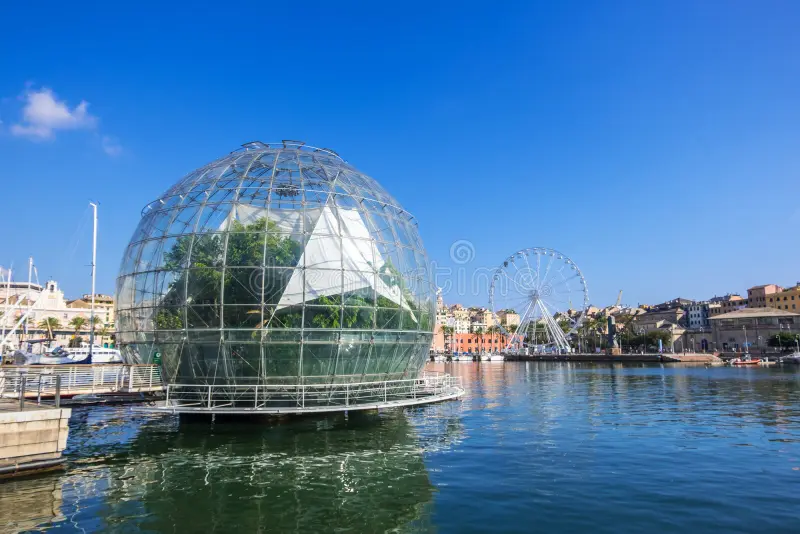
Biosfera
This floating glass sphere designed by Renzo Piano sits adjacent to the pier, containing a tropical rainforest environment with diverse plants and birds.
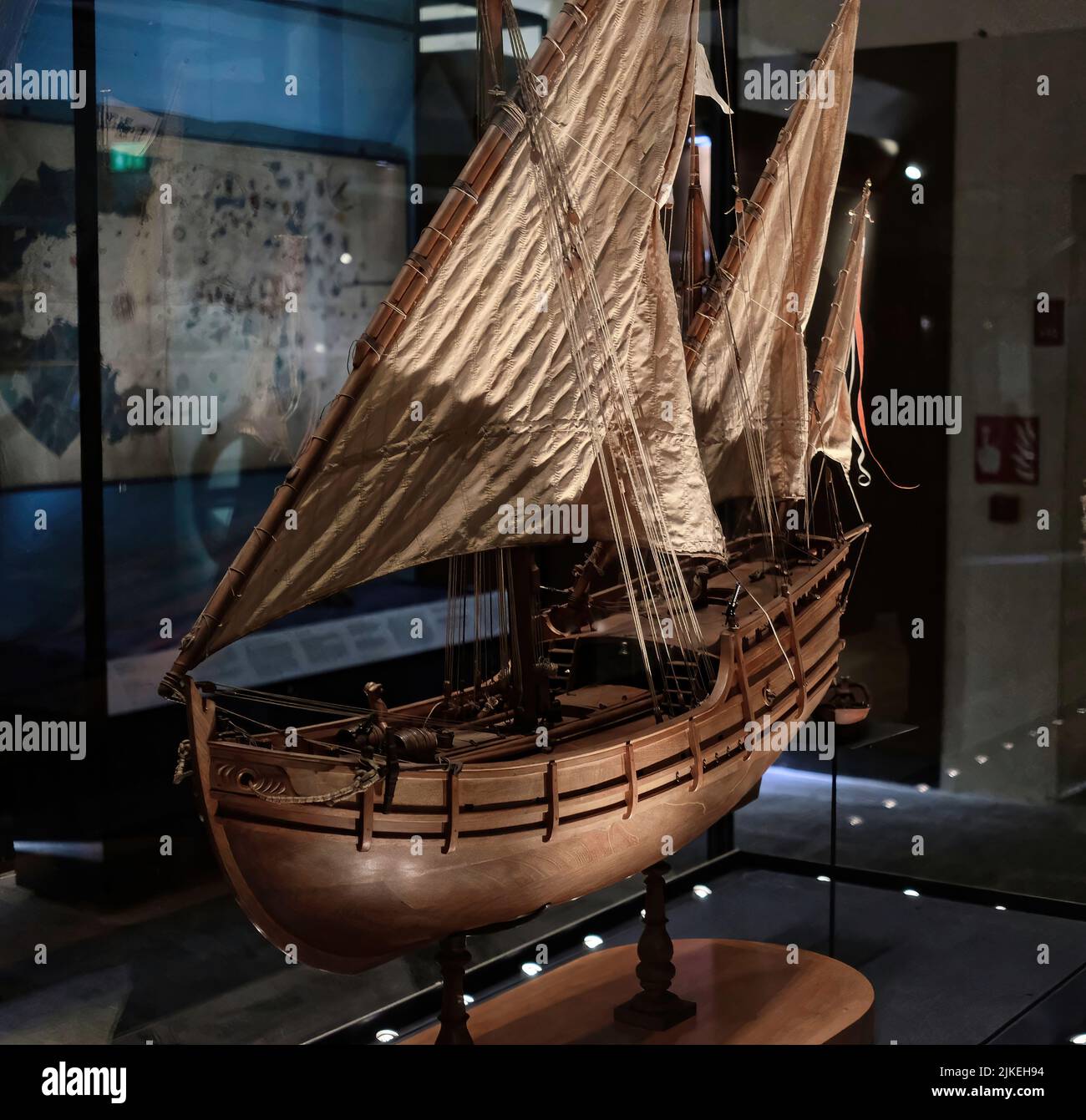
Galata Museo del Mare
A comprehensive maritime museum showcasing historic vessels, navigation tools, and an authentic submarine to detail the region's historical seafaring activities.
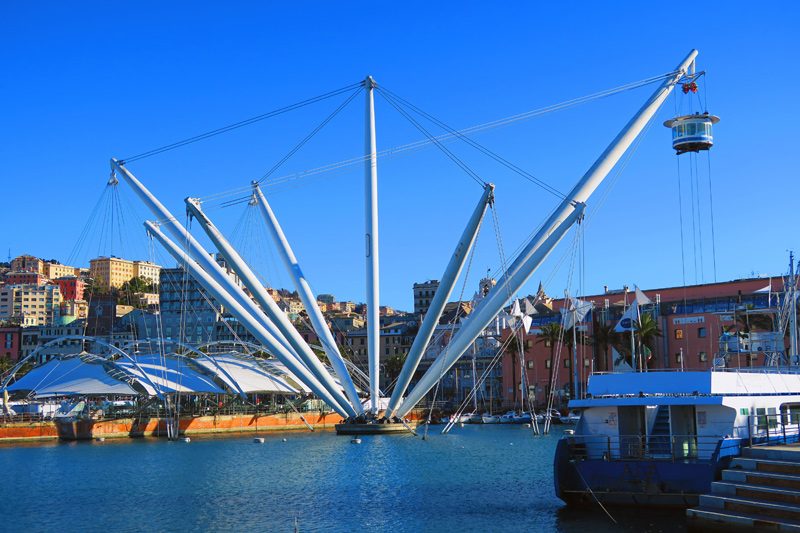
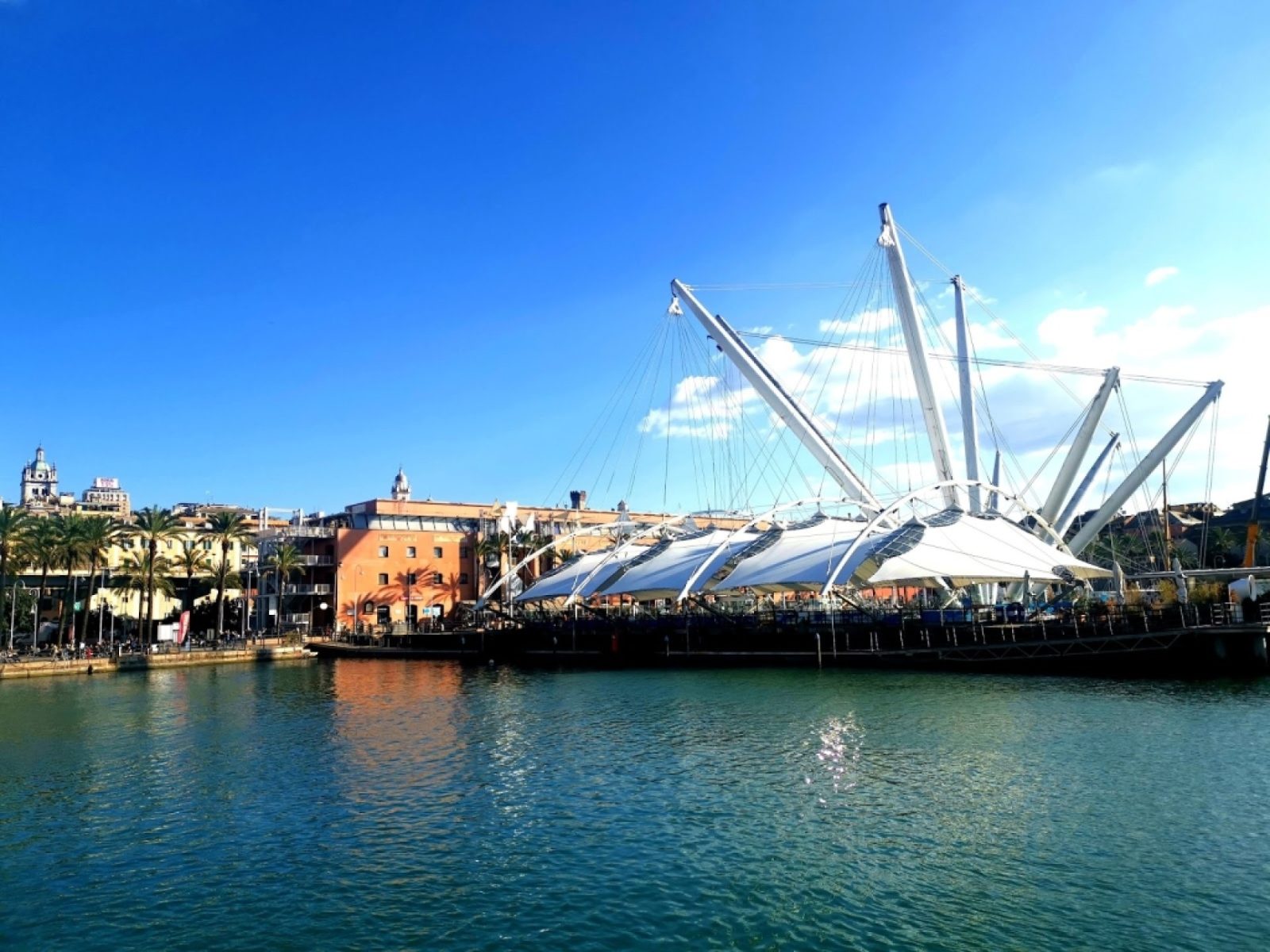
Bigo Panoramic Lift
This metal structure lifts visitors 40 meters above the harbor basin, providing a clear view of the city center and the waters you will explore by boat.
Check availability
Whale Watching Genova Periodo Migliore FAQ
Everything you need to know about whale watching genova periodo migliore